
If you’re tired of suffering from middle lower back pain, there are plenty of ways to find relief at home. This article is all about how to relieve middle lower back pain at home. Start with some gentle exercise like walking or yoga to get those muscles moving and improve flexibility. Maintaining good posture is essential too; think about incorporating Pilates or Tai Chi into your routine. Don’t forget the power of heat and cold therapy, ice packs can reduce swelling, while heat packs soothe achy muscles later on. Regular stretching can release tension, and using pain-relief creams might bring instant comfort. Just as important is getting enough sleep and staying active; these habits support overall back health. By using these tips consistently, you may notice a significant improvement in how you feel!
Table of Contents: How to Relieve Middle Lower Back Pain at Home
- Done With Pain: Your Guide to Home Relief
- Improve Your Posture
- Use Heat and Cold Therapy
- Stretch Regularly for Relief
- Apply Pain-Relief Creams
- Try Massage Techniques
- Use CBD for Muscle Pain
- Switch to Supportive Shoes
- Make Workstation Changes
- Get Enough Sleep for Healing
- Manage Stress Effectively
- Dietary Changes for Back Health
- Stay Active for Stronger Back
- Consider Complementary Therapies
- Visit donewithpain.com for More Resources
- Frequently Asked Questions
Done With Pain: Your Guide to Home Relief
Exercise is key to getting those muscles moving and easing your middle lower back pain. Start with low-impact activities like walking, yoga, swimming, or water aerobics. These exercises not only help alleviate pain but also improve your flexibility. Incorporating strength training and stretching into your daily routine can keep your muscles strong and flexible, which is essential for back health.
Make sure to focus on core exercises that support your back, as this can significantly reduce the risk of injury. Aim for at least 150 minutes of moderate aerobic activity each week. If you’re unsure about your form or technique, consider working with a trainer who can guide you. Remember to listen to your body; if something hurts, it’s okay to modify or stop. Gradually increase the intensity of your workouts to avoid overdoing it.
A balanced routine is crucial, so include aerobic, strength, and flexibility exercises. Don’t forget to warm up before you start exercising and cool down afterward to minimize the risk of injury. By following these guidelines, you’re not just working towards pain relief but also investing in a healthier, more active lifestyle.
How to Relieve Middle Lower Back Pain at Home Bullet List
- Apply CBD topical products to relieve specific areas of pain.
- Engage in low-impact activities like walking, yoga, swimming, or water aerobics to alleviate pain and improve flexibility.
- Incorporate strength training and stretching into your daily routine to keep muscles strong and flexible.
- Focus on core exercises to support your back and reduce the risk of injury.
- Aim for at least 150 minutes of moderate aerobic activity each week.
- Consider working with a trainer to ensure proper form and technique during exercises.
- Gradually increase the intensity of your workouts to avoid overexertion.
- Maintain a balanced routine that includes aerobic, strength, and flexibility exercises.
- Warm up before exercising and cool down afterward to minimize injury risk.
Improve Your Posture
Good posture is essential for preventing strain on your back. Whether you are sitting, standing, or walking, being mindful of your alignment can make a significant difference. When you sit, keep your feet flat on the ground and avoid crossing your legs, as this helps maintain spinal alignment. Align your ears, shoulders, and hips, and remember to engage your core; this simple act can provide much-needed support for your spine.
Consider integrating exercises like yoga, Pilates, and Tai Chi into your routine. These activities not only enhance your posture but can also help reduce pain over time. When working at a computer, adjust your screen to eye level to avoid tilting your head, which can lead to unnecessary strain. If you’re sitting for long periods, take regular breaks to stretch and reset your posture.
Using ergonomic chairs and tools at your workstation can also promote better alignment. Regularly checking your posture in mirrors or using apps that remind you to adjust can be beneficial. Practicing standing tall while engaging your core creates a strong foundation that supports your back throughout the day. By being proactive about your posture, you can significantly alleviate middle lower back pain and improve your overall comfort.
Improve Your Posture: Chart On How to Relieve Middle Lower Back Pain at Home
| Posture Tip | Description |
|---|---|
| Maintain good posture while sitting, standing, or walking | Prevents strain on the back. |
| Consider exercises like yoga, Pilates, and Tai Chi | Enhances posture and reduces pain. |
| Use ergonomic chairs and tools | Promotes better alignment at work. |
| Keep ears, shoulders, and hips aligned when standing or sitting | Supports natural spine curvature. |
| Adjust computer setup to keep screen at eye level | Avoids tilting of the head. |
| Practice standing tall and engaging your core | Supports spinal health. |
| Take breaks to stretch and reset posture if sitting for long periods | Reduces muscle tension and fatigue. |
| Avoid crossing legs while sitting | Helps maintain spinal alignment. |
| Check posture in mirrors or use apps | Encourages regular adjustments. |
Use Heat and Cold Therapy
Heat and cold therapy is a simple yet effective way to manage middle lower back pain at home. If you’ve recently experienced an injury, start with cold packs. Applying them right away helps reduce swelling and numbs the pain. Just remember to limit cold therapy to 20 minutes at a time to avoid harming your skin. After 48 hours, it’s time to switch to heat therapy. Heat packs can work wonders in soothing those achy muscles and boosting blood flow to the area, which is essential for healing.
You can use a heating pad or even a hot water bottle for a comforting experience. If you’re looking for a way to relax your muscles, a warm bath or shower can be incredibly beneficial. For an extra edge, consider alternating between heat and cold during flare-ups, as this can maximize your relief. Always protect your skin by using a towel or cloth when applying heat or cold. And keep an eye on your skin’s sensitivity with these therapies, as everyone’s tolerance can vary.
Stretch Regularly for Relief
Stretching is a fantastic way to relieve middle lower back pain and improve your overall flexibility. You can perform stretches like the knee-to-chest stretch, trunk rotation, Cat-Cow, and Cobra Pose to help release tension. Aim to hold each stretch for about 15 to 30 seconds and repeat them several times for maximum effect. Incorporating these stretches into your morning routine can set a positive tone for the day ahead.
If you’re looking to deepen your stretches, consider using props like yoga blocks or straps. They can assist in getting into the right position without straining yourself. Remember to focus on your breathing while stretching; deep breaths can enhance relaxation and make the process more effective. Avoid bouncing during your stretches, as this can lead to injury. Instead, hold each position steadily.
Try to schedule stretching breaks during your day, especially while at work or school. Joining a stretching class can provide you with guidance and motivation, making it easier to stay committed. You can also find plenty of online videos that offer inspiration and instruction on various stretches. Regular stretching can significantly contribute to relieving middle lower back pain, helping you to feel more comfortable and mobile.
Apply Pain-Relief Creams
When you’re dealing with middle lower back pain, applying pain-relief creams can be an effective way to find some temporary relief. Look for creams that contain menthol or CBD, as these ingredients can help numb the pain and reduce inflammation. However, it’s important to be cautious about how much you use; applying too much might lead to increased skin sensitivity. Before you slather on that cream, test a small area of your skin first to check for any allergic reactions.
For best results, apply the cream in a circular motion. This method can enhance absorption and promote a soothing effect on the affected area. You might find it helpful to use these creams before or after exercise; they can ease discomfort and make movements more manageable. Just remember to reapply as needed, always following the instructions on the label.
Keep in mind that these creams should be kept out of reach of children, and avoid any contact with your eyes or mouth. If you’re looking for a gentler effect, consider options that include natural ingredients. And, of course, if your pain persists despite using topical treatments, it’s a good idea to consult with a doctor to explore other options.
Try Massage Techniques
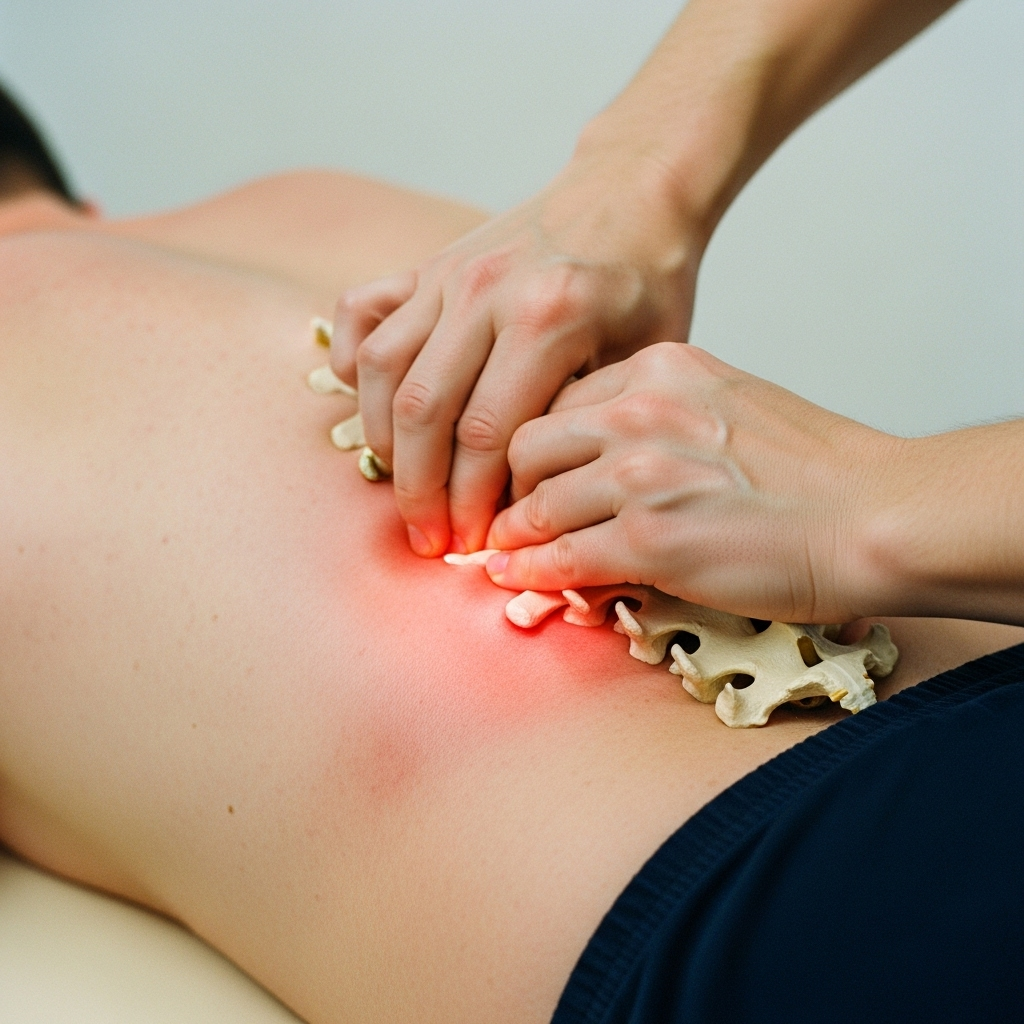
Massage can be a powerful way to find short-term relief from lower back pain. You can either seek a professional massage or try some self-massage techniques at home to help you relax and release tension. Utilizing a foam roller or massage balls can be especially effective in targeting specific areas where you feel tightness. If you’re interested, learning some basic massage techniques can empower you to apply soothing pressure on yourself or even help a partner. Regular massage may not only improve circulation but also significantly reduce muscle tightness.
For an extra touch of relaxation, consider incorporating essential oils like lavender or peppermint into your massage routine. It can enhance the overall experience and promote a sense of calm. To better understand what works for you, keep track of your pain levels before and after your massage sessions. Start with gentle pressure and gradually increase it as you feel more comfortable. Pairing massage with stretching can amplify your relief, making it a holistic approach. For ongoing pain management, scheduling regular massage sessions can make a significant difference in your quality of life.
Use CBD for Muscle Pain
CBD can be a game changer when it comes to relieving middle lower back pain. Applying CBD salve or serum directly to the affected area helps reduce muscle pain and swelling effectively. Make sure to follow the instructions on the product label regarding how often you should apply it. It’s important to keep an eye out for any skin irritation or allergic reactions, and if you notice any, discontinue use immediately.
Combining CBD other pain-relief strategies, like heat therapy or stretching, can amplify its effects and provide you with better results. Store your CBD products in a cool, dry place to keep them effective, and try to use CBD shortly after an injury for the best outcomes.
With CBD formulations available, research to find what works best for you. We strongly recommend a full-spectrum CBD topical for targeted results. It’s all about finding the right balance to live a life with less pain.
Switch to Supportive Shoes
Wearing supportive, well-fitting shoes is essential for relieving middle lower back pain. Shoes with good arch support help promote proper alignment of your body, reducing strain on your back. High heels and flip-flops are best avoided, as they lack the necessary support and can exacerbate pain. When selecting shoes, consider your daily activities: if you’re on your feet a lot, opt for shoes designed for comfort and support. It’s also important to replace worn-out shoes regularly to maintain that comfort and support.
If you have specific foot types, like flat feet or high arches, look for shoes tailored to your needs. Don’t hesitate to consult a professional for advice on which shoe options might work best for you. Wearing supportive shoes indoors can also prevent slips and falls, which could worsen your back pain. Keeping your shoe collection updated ensures you always have suitable options available to help manage and relieve discomfort.
Make Workstation Changes
Making simple changes to your workstation can have a significant impact on your middle lower back pain. Start by adjusting your computer screen to eye level, ensuring you don’t have to hunch or strain your neck. Your chair should support your lower back, encouraging a natural curve that promotes good posture. Keep your keyboard and mouse within easy reach to avoid leaning forward, which can strain your back and arms.
Don’t forget to take regular breaks. Standing up, stretching, and resting your eyes from the screen every hour can help reduce tension. If you can, consider a sit-stand desk. Alternating between sitting and standing can relieve pressure on your lower back.
Organize your workspace so that items you frequently use are easily accessible, reducing the need to twist or stretch awkwardly. A footrest can also be beneficial, as it supports your feet and improves circulation. Lastly, keep your workspace tidy to minimize distractions and promote focus. If you’re unsure about your setup, seeking an ergonomic assessment can provide personalized advice to improve your comfort. These workstation adjustments can create a healthier work environment, helping you manage and reduce back pain.
Get Enough Sleep for Healing
Getting enough quality sleep is essential for your body to heal, especially when dealing with middle lower back pain. Aim for 7-9 hours of sleep each night. This isn’t just about quantity; quality matters too. Use pillows for support to keep your spine aligned while you sleep. Choosing the right mattress is also crucial; it should provide adequate support without being too firm or soft. Experiment with different pillow types to find one that maintains your neck alignment comfortably.
Establishing a regular sleep schedule can greatly improve your overall sleep quality. Try to go to bed and wake up at the same time every day. Creating a calm and dark sleep environment can encourage restful sleep. Avoid screens and heavy meals before bedtime, as these can disrupt your ability to fall asleep. Incorporating relaxation techniques like meditation or deep breathing exercises can also help you unwind and prepare for a good night’s rest.
Keep your bedroom cool and free from clutter to promote better sleep. Lastly, tracking your sleep patterns can help you identify factors that may be affecting your rest, allowing you to make necessary adjustments to improve your sleep quality. Remember, better sleep can mean less pain, helping you to live a life with less discomfort.
Manage Stress Effectively
Managing stress is essential for relieving middle lower back pain. High stress levels can lead to muscle tension, which exacerbates discomfort. To combat this, engage in mindfulness practices like meditation or deep breathing exercises. Setting aside just a few minutes each day for these activities can help center your mind and reduce tension. When you feel overwhelmed, try deep breathing techniques: inhale deeply through your nose, hold for a moment, and exhale slowly through your mouth. Guided meditation apps can be a great tool, helping you stay focused and calm during your practice.
Incorporating stress-reducing activities into your routine can also make a difference. Journaling your thoughts or expressing yourself through art can provide an emotional outlet, relieving built-up stress. Connecting with friends or family for support is another valuable approach; sharing your feelings can lighten your emotional load.
Be mindful of your diet, too. Limiting caffeine and sugar can help keep stress levels in check. If stress becomes overwhelming, talking with a therapist can be beneficial, providing a safe space to explore your feelings. Lastly, remember that staying active is crucial; regular physical activity not only helps maintain your back health but also releases endorphins, which can naturally reduce stress levels.
Dietary Changes for Back Health
What you eat can have a huge impact on your back health. Incorporating anti-inflammatory foods into your diet is a great start. Think colorful fruits, vibrant vegetables, whole grains, and healthy fats like avocados or olive oil. These foods can help reduce inflammation in your body, which may ease your back pain. On the flip side, try to steer clear of processed foods and cut back on sugar, as they can contribute to inflammation.
Staying hydrated is also essential. Proper hydration supports overall health and keeps your muscles functioning well. Aim to drink plenty of water throughout the day. You might also want to consider adding omega-3 fatty acids to your meals. Foods like salmon or flaxseed are fantastic sources that can support your body’s ability to fight inflammation.
Limiting red meat and high-fat dairy products can also help reduce inflammation. Instead, focus on portion control to maintain a healthy weight. Carrying extra weight can put added strain on your back, leading to discomfort. Planning your meals ahead of time can be a game-changer. It helps ensure you eat a balanced diet and resist the temptation of unhealthy snacks.
Keeping a food diary might help you track what you eat and how it affects your pain levels. You may notice patterns that can guide your dietary choices. Lastly, if you’re unsure about what changes to make, don’t hesitate to seek advice from a nutritionist. They can provide tailored guidance to help you on your journey to better back health.
Stay Active for Stronger Back
Staying active is one of the best ways to keep your back strong and prevent pain. Aim for at least 150 minutes of moderate aerobic activity each week, like brisk walking or cycling. This helps increase blood flow and keeps your muscles engaged. Don’t forget to include strength training exercises twice a week, focusing on building the muscles around your spine for added stability. Low-impact exercises, such as swimming or using an elliptical machine, are excellent choices that are gentle on your joints while still giving you a workout.
Core-strengthening exercises, like planks and bridges, are also vital. These moves support your back and improve your overall posture. Regular stretching can enhance flexibility and prevent tightness in your muscles, making it easier to move and reducing the risk of injury. Finding fun ways to stay active, like dancing or joining group classes, can make exercise feel less like a chore.
It’s important to avoid long periods of sitting, which can contribute to back pain. Instead, take breaks to stand, stretch, or walk around throughout the day. If you work at a desk, consider using a standing desk or an ergonomic chair to promote better posture. Always listen to your body; if something hurts, it’s okay to modify or stop the activity. Keeping an activity log can help you track your progress and stay motivated. By staying active, you not only relieve pain but also enhance your quality of life.
Consider Complementary Therapies
Complementary therapies can offer a holistic approach to alleviating middle lower back pain. For instance, acupuncture is gaining popularity as a method to relieve pain and promote muscle relaxation, allowing your body to recover more effectively. Chiropractic adjustments may also help, as they focus on aligning your spine, which can enhance mobility and reduce discomfort.
Physical therapy is another excellent option; a trained therapist can create a personalized exercise program that caters to your specific needs, teaching you effective pain management techniques along the way. If you’re looking for something gentler, therapeutic yoga classes can provide soothing movements and stretches that ease tension in your back.
Tai chi is worth exploring too, as it emphasizes balance, flexibility, and relaxation, which can be beneficial for your overall well-being. Biofeedback therapy can help you become more aware of your body’s functions, potentially reducing pain through greater control over muscle tension.
Additionally, herbal remedies or supplements may offer relief, but it’s essential to consult with a healthcare professional before adding them to your routine. Aromatherapy can also be a delightful way to promote relaxation, using essential oils to relieve tension. Techniques like guided imagery or visualization can foster mental calmness, contributing to physical relief.
Finally, take the time to research local practitioners and read reviews, ensuring you find reputable providers who can support your journey toward a pain-free life.
Visit donewithpain.com for More Resources
If you’re seeking more ways to manage and understand your middle lower back pain, look no further than donewithpain.com. This website offers a treasure trove of articles that delve into the various causes, treatments, and prevention strategies for back pain. You can find expert advice directly from healthcare professionals and pain management specialists, ensuring you get reliable information tailored to your needs.
One of the standout features is the community forums where individuals share their personal experiences and support each other through the challenges of back pain. It’s a great way to connect and realize you are not alone in this journey. Additionally, the site provides online tools to help you track your pain and progress, which can be incredibly beneficial for understanding your condition better.
For those looking to incorporate movement into their routine, donewithpain.com also hosts exercise videos specifically designed for back health and pain relief. These resources can guide you through safe exercises that may alleviate discomfort. You can also read success stories from people who have successfully managed or overcome their back pain, providing inspiration and hope.
Don’t forget to subscribe to their newsletters for the latest tips and updates on back health, and consider participating in webinars or online workshops to learn about emerging treatments. If you’re interested in connecting with local support groups, the website can help you find community assistance in your area. Best of all, there are numerous free resources and guides available to enhance your understanding of back pain and how to manage it effectively.
Remember, you deserve to live a life with less pain. Visit donewithpain.com today and empower yourself with knowledge and support.
Frequently Asked Questions:
How to Relieve Middle Lower Back Pain at Home
Depending on the source of the pain, it most likely will help. CBD, full-spectrum topicals are extremely effective at reducing muscle and joint pain – especially in the lower back.
You can try gentle stretches like child’s pose, cat-cow stretch, and knee-to-chest stretch. These can help relieve tension and improve flexibility in your lower back.
When you slouch or sit in an awkward position for long periods, it can put extra pressure on your spine and muscles, causing discomfort and pain in your lower back.
Heat can relax sore muscles and improve blood flow, while ice can reduce inflammation and numb sharp pain. It depends on the type of pain; you might want to try both to see what works for you.
Staying active, maintaining a healthy weight, practicing good posture, and using ergonomic furniture can all help reduce the risk of lower back pain.
If your pain persists for more than a couple of weeks, gets worse, or is accompanied by other symptoms like numbness or weakness, it’s a good idea to consult a healthcare professional.
TL;DR How to Relieve Middle Lower Back Pain at Home
Middle lower back pain can be relieved at home through several effective strategies. Start by improving your posture, exercising regularly, and using heat and cold therapy. Incorporate stretches into your daily routine, apply pain-relief creams, and try massage techniques for relief. Use CBD for muscle pain and switch to supportive shoes. Make ergonomic changes to your workstation, ensure you get enough quality sleep, and manage stress effectively. Dietary changes and staying active are crucial for maintaining back health. Consider complementary therapies and explore more resources at donewithpain.com.

Robert Brenza is a Registered Nurse and Massage Therapist that has dedicated decades to helping patients overcome pain to lead fuller lives.
